Working During Ramadan
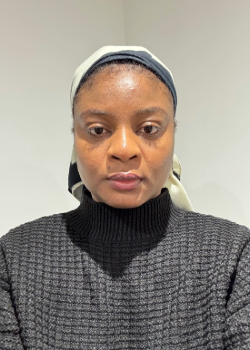
Sumaiya Yakubu, Trainee Clinical Scientist in Diagnostic Radiology and Radiation Protection, The Christie NHS Foundation Trust and Trainee on the IPEM Clinical Scientist Guided Training Scheme.
What’s your role?
My role involves assessing the safety and performance of X-ray imaging equipment, providing technical support, and offering radiation protection and patient dosimetry advice to users of ionising radiation. The aim is to optimise the use of X-rays in diagnostic imaging while ensuring compliance with regulatory requirements. It is a varied and rewarding role that combines technical problem-solving with clinical responsibility.
How does your workday feel different during Ramadan?
During Ramadan, my workday feels more intentional. Fasting from dawn to sunset naturally changes my routine, particularly in relation to sleep, hydration, and energy levels. Mornings are when I feel most focused and productive, so I prioritise tasks that require greater concentration, such as data analysis or report writing. As the day progresses, I become more mindful of pacing myself, especially on physically active days involving equipment testing or other tasks that require physical activity.
Do you find certain tasks easier or harder while fasting?
Some tasks can feel more demanding while fasting, particularly those that are physically intensive or require prolonged periods on my feet. However, I often find that my focus and discipline are heightened. Ramadan encourages self-reflection, patience, and resilience, qualities that translate positively into my professional life. I become more conscious of how I manage my time and energy, which ultimately strengthens my efficiency.
How do you balance work commitments with prayer times?
Balancing work commitments with prayer times requires planning, but is very manageable. Trust policy advises that staff take regular breaks from display screens, and I utilise these natural pauses to perform the Zuhr and Asr prayers. Integrating prayer into the working day, in this way, allows me to maintain both professional productivity and spiritual well-being.
Does your workplace make any adjustments for Ramadan?
The Trust also allows flexibility with working hours where service delivery permits, which is particularly helpful during Ramadan. I discussed with my line manager the possibility of adjusting my working pattern by moving my 30-minute lunch break to the end of the day, without affecting my contracted 7.5 hours. This enabled me to start earlier and finish earlier, allowing time to prepare for my Iftar (the breaking of the fast). This flexibility helped me maintain routine, manage my energy effectively, and balance both personal and professional commitments.
Is there anything colleagues can do to make this time easier for you?
Colleagues make this time easier by being understanding and respectful, for example, recognising that I may not join lunch breaks or that my energy levels might fluctuate later in the day. Small gestures of awareness go a long way, although I have always found my colleagues to be supportive and considerate.
What’s one thing you appreciate most about working during Ramadan?
One of the things I appreciate most about working during Ramadan is the sense of perspective it brings. Fasting fosters gratitude, not only personally, but professionally. It reminds me of the privilege of working in a role dedicated to the protection and safety of patients, staff, and members of the public. It also deepens my empathy, generosity, and kindness, which are invaluable qualities in healthcare.
If you were to describe one word on how you feel when you open your fast- what would that word be?
If I were to describe in one word how I feel when I break my fast (Iftar), it would be thankful, closely followed by contentment and peace. After a long day of fasting while continuing my professional responsibilities, that first sip of water and taste of dates (fruit) brings a profound sense of calm and appreciation: for health, family, work, community, and the ability to observe Ramadan while continuing to contribute meaningfully to my profession.
For me, Ramadan is not simply about abstaining from food and drink. It is a profoundly spiritual, centred on intention, self-reflection, discipline, gratitude, and compassion, values that align closely with the principles of healthcare and medical physics.